
High-fibre-count cables for data transmission on metro route – Länsimetro project, Finland
Länsimetro is the western extension of the Helsinki Metro system in Finland, which connects central Helsinki to the neighbouring city of Espoo. The Länsimetro project was completed in two phases: the first phase from Ruoholahti to Matinkylä opened in 2017, and the second phase from Matinkylä to Kivenlahti was completed in 2022. The first completed section of the metro line has now been in operation for almost nine years. We at Nestor Cables are proud to have contributed to the project by supplying the majority of its cabling.
A wide variety of data transmission cables are used in the Länsimetro control and monitoring systems. Data transmission between the stations and other facilities along the metro route is primarily handled via fibre optic cables. In addition to the fibre optic cables required for Länsimetro operations, cables intended for use by various telecommunications operators have also been installed along the tunnel route, as the metro line conveniently connects the different urban centers of the area.
High-fibre-count cable
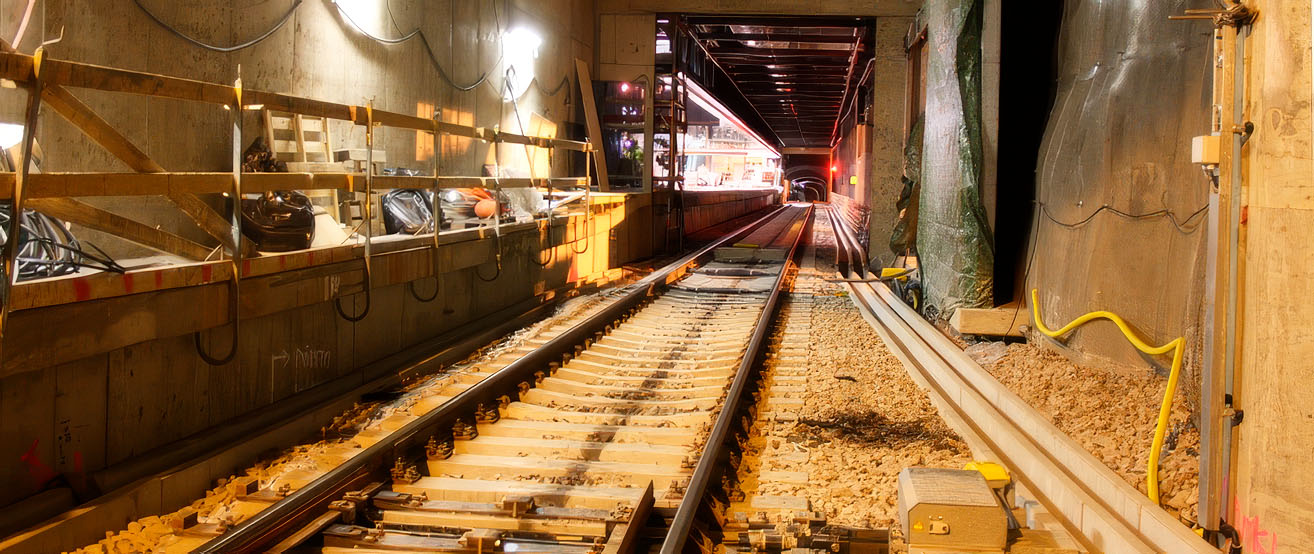
On the Länsimetro route, the fibre optic cables are placed in concrete gutters next to the train track, on top of which concrete slabs are installed. Due to the traffic, it is very difficult to add new cables to the route later, so the amount of fibre in the cables was quite large considering future needs. A great example of our production capabilities, the 864-fibre indoor/outdoor cable was produced for the Länsimetro project.
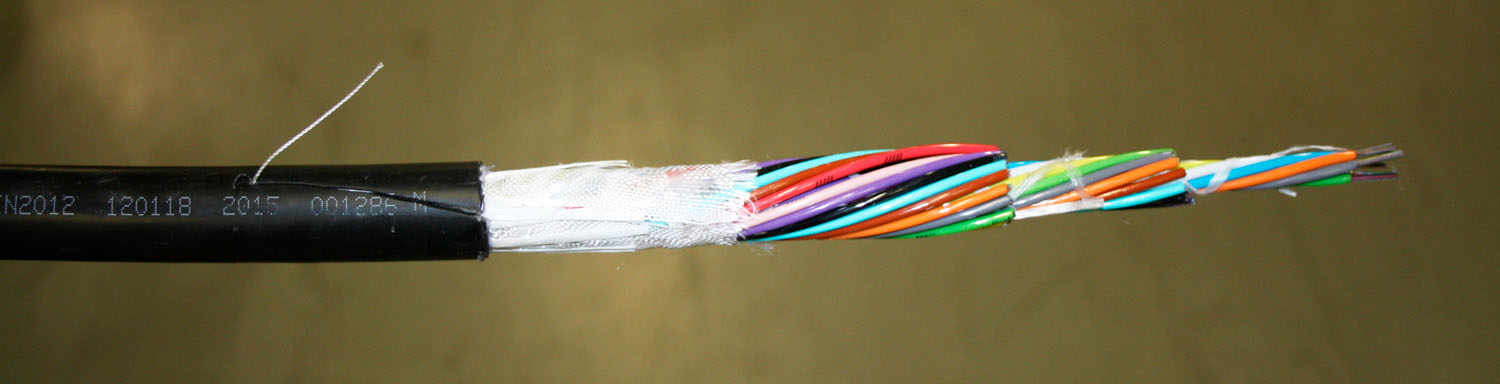
Despite its high fibre count, the 864-fibre cable had an outer diameter of only 24.4 mm and a weight of 488 kg/km, and its flexibility was significantly better than that of standard direct buried fibre optic cables. Due to the installation site, this cable naturally had to be halogen-free and self-extinguishing, as well as rodent-resistant.
Connectivity solutions for high-fibre-count cable
The cables along the route terminate in operators’ technical rooms located at each station, though such facilities are also situated along the route itself.
Between stations, cables were branched using mid-span access, with joint closures housed in cable manholes at the branching points.
Due to the large number of fibre tubes in our 864-fibre cable, the chosen termination solution was the Nestor Cables NC-320 splice cabinet, which offered sufficient space for both the fibre tubes and the splice trays. To protect against the metal and other dust present on the metro route, the cabinets were sealed with polyurethane.
In technical rooms, fibre optic cables were terminated in connection cabinets. Terminating the large 864-fiber cable required a highly specialised cabinet solution capable of housing all fibre splices as well as termination panels, active network equipment, and other necessary devices and connectivity components. The connection cabinet was designed according to the client’s specifications. A distinctive feature of the cabinets was a forward-sliding splice module.
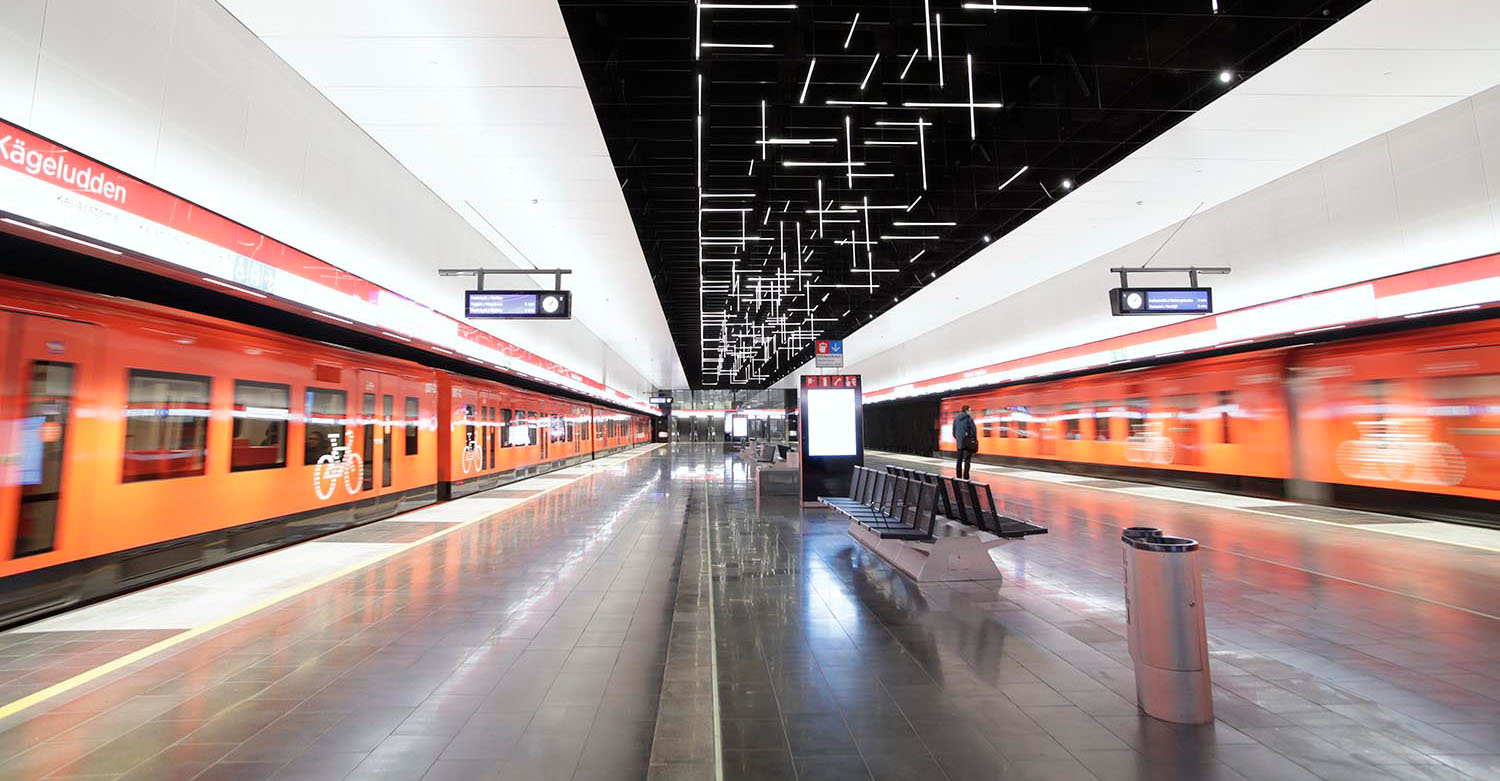
Photo above: Photo album of Länsimetro Oy
Developing and implementing high-fibre-count cables, along with the associated splicing and connectivity solutions, for the Länsimetro project was a major yet highly interesting undertaking for us at Nestor Cables. The project also strengthened our expertise in designing and manufacturing cables with very large fibre counts. As the demand for cables used in data transmission continues to grow, this know-how enables us to meet our customers’ increasing capacity needs today and in the future.

